Top Vintage Muscle Cars to Restore on a $10,000 Budget for Enthusiasts
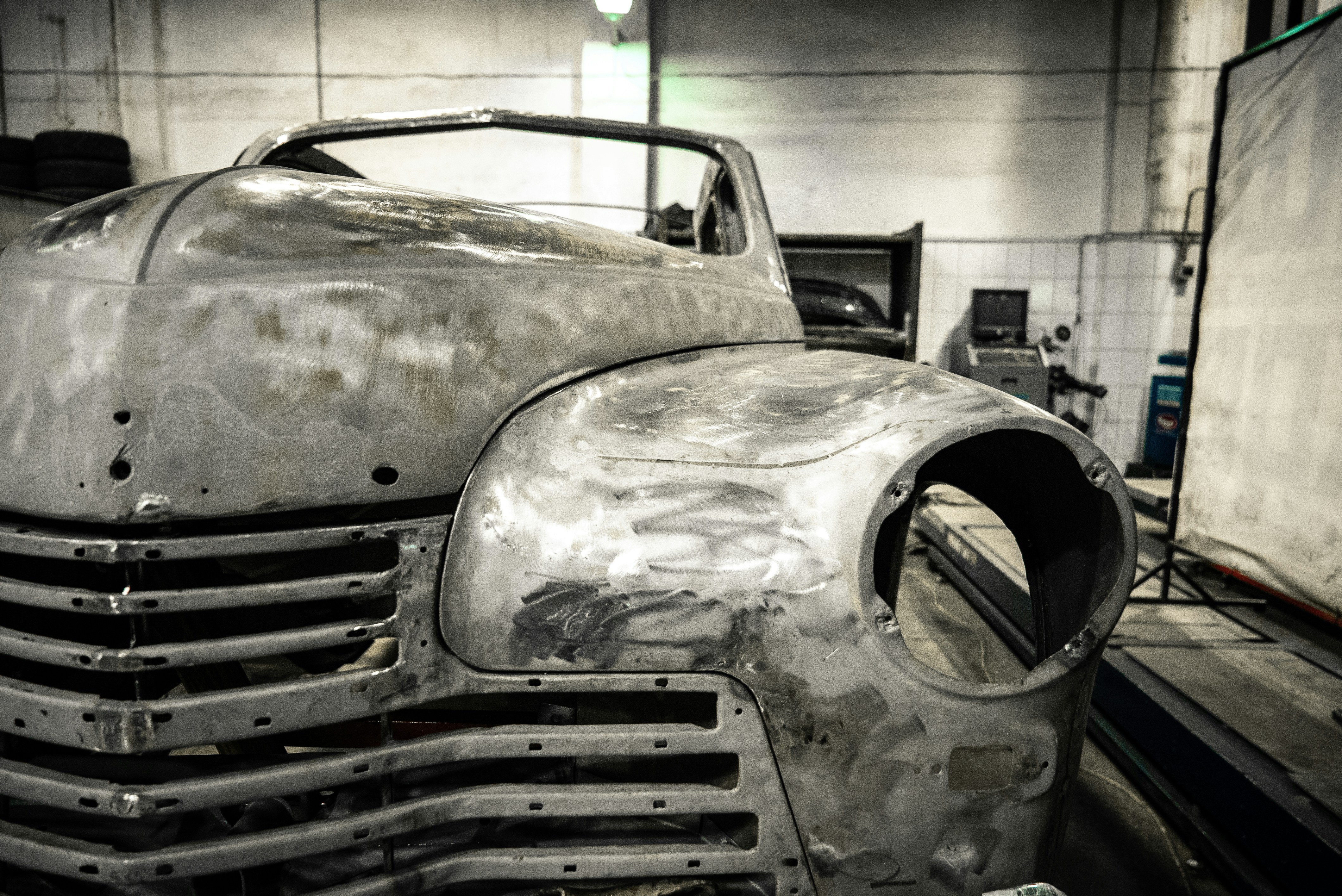
Understanding the Vintage Muscle Car Market
The vintage muscle car market, with its rich history and enthusiastic fanbase, is characterized by a specific set of vehicles that are revered for their performance and style, generally produced between the late 1960s and early 1970s. These cars, such as the Ford Mustang, Chevrolet Camaro, and Plymouth Barracuda, are defined by their powerful engines, aggressive designs, and a culture that celebrates speed and freedom. The allure of restoring these classic vehicles lies not only in their aesthetic appeal but also in the driving experience they offer, connecting enthusiasts to a bygone era of American automotive innovation.
As the demand for vintage muscle cars grows, it is essential to grasp the dynamics that drive pricing and availability within this niche market. Factors such as the rarity and desirability of specific models significantly influence their market value. For instance, limited production variants or models with unique performance specifications can command higher prices among collectors. Furthermore, the condition of the vehicle plays a crucial role in its valuation; well-maintained cars or those needing minimal restoration are typically priced higher than those requiring extensive work.
Market trends also dictate the fluctuating prices of vintage muscle cars. Economic conditions, collector interest, and changing automotive regulations can impact purchasing decisions. Potential restorers must familiarize themselves with these trends to make informed choices. Additionally, budgeting for restoration projects is paramount. Setting a realistic budget is crucial, as it allows enthusiasts to navigate the costs associated with purchasing the car and the subsequent restoration process. By allocating funds wisely and prioritizing essential repairs, restorers can achieve significant value in their vintage muscle car investments while satisfying their passion for these iconic vehicles.
Criteria for Choosing Restoration Candidates
When embarking on the journey of selecting a vintage muscle car for restoration within a $10,000 budget, there are several critical criteria that enthusiasts should consider to ensure a rewarding experience. Firstly, the overall condition of the car plays a paramount role; this encompasses the structural integrity, rust levels, and the state of the engine and transmission. A well-preserved vehicle requiring minimal repairs will naturally save time and investment compared to one that is extensively damaged.
Availability of replacement parts is another vital criterion. Certain muscle cars from popular manufacturers like Ford or Chevrolet boast abundant aftermarket support, making it easier to source necessary components. On the other hand, more obscure models may present a challenge, potentially escalating costs and prolonging the restoration process. Enthusiasts should also consider the community surrounding a particular car make and model. Active online forums and local clubs can provide invaluable resources, advice, and camaraderie, enhancing the overall restoration experience.
Another important factor is the potential resale value of the vehicle once restoration is complete. Researching market trends and future appreciation possibilities can help assess which models will not only fulfill personal desires but also hold or increase their value over time. Equally relevant are personal preferences regarding style and performance; a car that resonates emotionally with the enthusiast will ultimately yield a more fulfilling project.
In summary, by evaluating a vintage muscle car’s condition, parts availability, community support, potential resale value, and personal inclinations, restorers can make informed decisions that align with their interests and budget constraints, paving the way for a successful restoration endeavor.
Top Five Muscle Cars to Consider for Restoration
When it comes to vintage muscle cars that are suitable for restoration on a budget of $10,000, several iconic models stand out for their affordability, availability, and potential for appreciation in value. This section will delve into five such vehicles, providing a comprehensive overview of their specifications, histories, price ranges, and considerations for restoration.
1. Ford Mustang (1965-1970): The Ford Mustang is perhaps the most recognizable muscle car in history. Its production during the mid-1960s offered a variety of configurations, including the fastback body style. Prices for solid project cars typically range from $5,000 to $10,000. Restoration considerations include finding original parts, which are widely available, making it an accessible restoration project.
2. Chevrolet Nova (1968-1974): The Chevrolet Nova remains a popular choice for restorers due to its simple design and robust performance. Early models possess classic muscle car aesthetics combined with modern-day practicality. Project vehicles can frequently be found between $4,000 and $8,000. Potential challenges often include rust issues and sourcing specific trim components.
3. Dodge Charger (1970-1974): A symbol of American muscle, the Dodge Charger embodies performance and style. While early models command higher prices, later versions can still be found within budget, typically ranging from $8,000 to $10,000. Enthusiasts must prepare for engine upgrades and body repairs during restoration, which demand attention to detail.
4. Pontiac Firebird (1967-1981): With its sleek design and robust V8 options, the Pontiac Firebird offers an engaging restoration project. Prices can vary but generally fall between $5,000 and $9,000. Restorers should anticipate a need for bodywork and engine refurbishments, particularly if opting for the more powerful engine variants.
5. Chevrolet Chevelle (1964-1972): The Chevelle is appreciated for its performance capabilities and historical significance. Restoration candidates can commonly be found in the $5,000 to $10,000 price range. Critical considerations include sourcing specific body parts, as well as ensuring the integrity of the frame during restoration. Overall, its strong aftermarket support simplifies the restoration process.
Tips for a Successful Restoration Project
Embarking on a vintage muscle car restoration project can be both thrilling and challenging. To ensure a successful outcome while adhering to your $10,000 budget, consider a few essential tips. First and foremost, thorough research is crucial. Gathering information about the specific make and model will help identify common issues, typical part availability, and the restoration process itself.
When sourcing parts, prioritize reputable suppliers. Reproduction parts are often available and can save significant costs compared to original components. Websites, local salvage yards, and online forums dedicated to muscle car enthusiasts can be excellent resources for finding both OEM and aftermarket parts. Additionally, networking with other car enthusiasts can lead to valuable recommendations regarding parts suppliers and even mechanics.
Finding a skilled mechanic or restoration shop is another critical step. Look for professionals who specialize in vintage muscle cars, as their expertise can significantly impact the quality and efficiency of the restoration. Requesting quotes and comparing estimates will help to establish a reasonable budget. Moreover, always budget for unexpected expenses, which are commonplace in restoration projects. Setting aside an additional 20% of your total budget can provide a buffer for unforeseen repairs or part replacements.
Establishing a timeline for completion can also help maintain focus and motivation. A detailed plan outlining your goals for each phase of restoration can promote organization and make the project feel more manageable. As you progress, documenting the restoration journey through photos and notes not only serves as a personal keepsake but can enhance the car’s history and future resale value. This practice offers transparency and showcases the levels of work accomplished, which can attract prospective buyers.



Post Comment